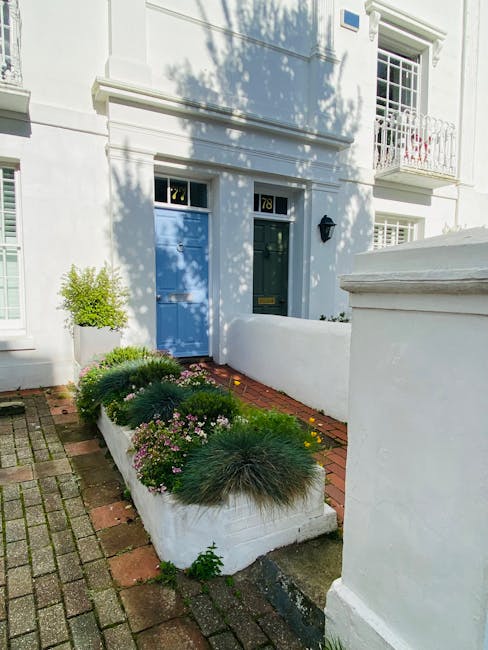
Top garden maintenance on Chiswick High Road for terraces

If you live in a terrace near Chiswick High Road, you already know the garden can be a lovely bonus and a bit of a headache at the same time. Narrow access, shaded corners, overlooked fences, pots that dry out too quickly in summer, then turn soggy the minute the weather shifts - it all adds up. The good news is that Top garden maintenance on Chiswick High Road for terraces is less about grand landscaping and more about consistent, practical care that keeps compact outdoor spaces neat, usable, and actually pleasant to spend time in.
In this guide, you'll find a clear breakdown of how terrace garden maintenance works, what matters most in a tight London setting, and how to spot the services that genuinely make life easier. We'll also cover common mistakes, useful standards, a simple checklist, and a realistic example of what good maintenance looks like day to day. Nothing fluffy. Just the stuff that helps your garden look better and feel calmer, week after week.
Why Top garden maintenance on Chiswick High Road for terraces Matters
Terrace gardens are rarely spacious, and that is exactly why maintenance matters so much. In a larger garden, a missed mow or a slightly overgrown hedge can disappear into the background for a while. In a terrace, everything is on display. One untidy corner and the whole space can feel smaller, darker, and harder to use. Let's face it, when a small garden slips, it slips fast.
Chiswick High Road terraces often sit in a busy, lived-in part of west London where outdoor space has to work hard. A garden might need to act as a coffee spot, a place for children to play, somewhere for bikes or bins to be tucked away, and a green backdrop for the house itself. That means maintenance is not only about appearance. It is about function, privacy, drainage, access, and keeping the space comfortable through the seasons.
There is also the practical side. Leaves collect quickly. Pots need regular attention. Hedges and climbers can become awkward if left too long. Moss and weeds don't wait politely either. Good maintenance prevents small issues from becoming expensive jobs later, which is usually the point where people wish they had acted sooner. You know how it goes.
If you are planning a more consistent care routine, it helps to look at the wider service picture too. A good starting point is the site's services overview, which helps show how different types of garden care can be grouped together rather than treated as one-off tasks.
How Top garden maintenance on Chiswick High Road for terraces Works
For terrace gardens, maintenance usually starts with a short site assessment. That sounds formal, but in plain English it just means looking at what the garden actually needs rather than guessing. Is the lawn patchy? Are the beds compacted? Is the rear access tight? Are there overgrown shrubs leaning into the path? Does the garden need cutting back before a clean-up, or is it already in decent shape and just needs keeping tidy?
A sensible maintenance plan for a terrace normally covers a mix of regular and seasonal tasks. The regular jobs are the ones that keep things neat: mowing, edging, pruning light growth, sweeping paths, watering, deadheading, and keeping on top of weeds. Seasonal work tends to be more involved: clearing leaves, cutting back soft growth, reshaping hedges, refreshing planting, or lifting out tired annuals and replacing them with something better suited to the time of year.
On Chiswick High Road and nearby terrace streets, access matters as much as the gardening itself. A provider needs to move tools in and out without creating disruption, protect surfaces, avoid damage to fences or paving, and be realistic about what can be done in a compact space. That is one reason why terrace maintenance is a specialist job in practice, even if it looks simple from the pavement.
Where the garden is heavily cluttered, neglected, or full of cuttings after a long spell without care, a reset may be needed first. In those cases, garden clearance can be the right starting point before the ongoing maintenance schedule begins. If the space has more structural issues or needs a broader refresh, you may also want to explore landscaping or landscape gardening for longer-term improvements.
Key Benefits and Practical Advantages
Good terrace garden maintenance gives you a lot more than a tidy view. It changes how the space feels and how often you actually use it. That's the real value.
- More usable space: A trimmed, swept, and organised terrace feels larger because your eye is not pulled into clutter.
- Better curb appeal: A neat front or rear terrace instantly lifts the look of the property. Quietly, but visibly.
- Healthier plants: Regular care keeps growth balanced, improves airflow, and helps plants recover from stress more quickly.
- Lower long-term cost: Small, routine work is usually far cheaper than a rescue job after months of neglect.
- Reduced stress: It is much easier to enjoy a garden you do not have to "deal with" every weekend.
- Safer surfaces: Swept paths, trimmed edges, and controlled growth lower the risk of slippery patches and awkward trip hazards.
There is also a simple lifestyle benefit that people often underestimate. When a terrace is properly maintained, you tend to use it more. A cup of tea outside on a brisk morning in April feels different when the space is fresh, dry, and open. Same garden, different experience.
Expert summary: For terrace gardens, the best maintenance is usually not the most dramatic. It is the most consistent. Small, regular care beats big occasional fixes almost every time.
Who This Is For and When It Makes Sense
This kind of garden maintenance is ideal for homeowners, landlords, and tenants with terrace properties on or near Chiswick High Road who want the outdoor space to stay presentable without constant effort. It is especially useful if your garden is compact, shaded, overlooked, or exposed to foot traffic from doors, side access, or shared alleyways.
You may benefit from it if:
- you want a low-maintenance but still attractive garden;
- your terrace has gone through a busy season and needs a proper reset;
- you do not have the time, equipment, or energy to stay on top of weekly tasks;
- you are preparing a property for sale or rental;
- your garden is small but hard to manage because of shape, access, or plant growth;
- you want help balancing design with practicality.
It also makes sense if the garden is only partly "garden" and partly hardscape. A lot of terrace spaces include decking, paving, planters, and narrow strips of soil. That mix can look smart, but only if each part is cared for properly. For example, if the timber area is tired or slippery, maintenance may need to be paired with decking services. If the lawn section is the main feature, regular lawn mowing will likely be one of the most important recurring tasks.
And if the garden is being overwhelmed by one or two mature shrubs, don't ignore them. Terrace gardens can become cramped very quickly. In those cases, trimming or removal work may need to be considered, and hedge trimming or tree lopping and removal may be part of the answer.
Step-by-Step Guidance
If you want a sensible, repeatable terrace maintenance routine, start with this simple process. No drama. Just order.
- Walk the whole space carefully. Notice what is tired, what is overgrown, what is slippery, and what simply looks unfinished. Check the bits people miss: corners, behind bins, under planters, along fence lines.
- Remove debris first. Old leaves, broken stems, packaging, dead plants, and loose soil should go before anything else. Otherwise you are gardening around clutter, which is never ideal.
- Cut back what is out of shape. Light pruning, hedge tidy-ups, and deadheading help the space look controlled again. Don't overcut just for the sake of it.
- Sort the lawn or ground cover. If you have turf, mow to the right height rather than scalping it. If you have gravel or beds, weed and rake them so the surfaces look intentional.
- Refresh the planting structure. Replace weak seasonal plants, re-pot tired containers, and group plants in a way that suits a terrace rather than fighting it.
- Check drainage and watering. Small gardens can dry out quickly in sunny pockets and stay soggy in shaded ones. Adjust accordingly.
- Finish with a clean edge and sweep. This final pass matters more than many people think. It is the bit that makes the whole garden feel finished.
A good maintenance routine is often built around the weekly rhythm of the home. For some people that means a light tidy every week and a more substantial visit every month. For others it is a fortnightly visit with seasonal cut-backs. There is no universal rule here, truth be told. The right schedule is the one your garden can keep up with.
If you are unsure where to start, a provider that already offers ongoing garden maintenance can usually help shape a plan that suits the actual layout instead of forcing a generic package onto it.
Expert Tips for Better Results
Terrace gardens behave differently from larger suburban plots. The best results usually come from working with the space, not against it.
- Keep planting layered but restrained. In a small garden, too many different plant shapes can make the space feel busy. Two or three strong textures often work better than ten mixed ideas.
- Use containers with purpose. Pots are useful, but only if they have a job. Group them, repeat them, and give them breathing room.
- Trim little and often. It is much easier to maintain shape than to rebuild it later.
- Prioritise sight lines. If you can see the end of the terrace, the garden almost always feels larger.
- Don't ignore the hard surfaces. Paving, decking, steps, and edges often make the biggest first impression.
- Choose plants that cope with shade and wind. Terrace gardens can be strangely exposed in some spots and deeply shaded in others. Annoying, yes, but manageable.
One small tip that saves a lot of bother: keep a dedicated basket or tub for the "odd bits" that gather in terrace gardens - stray twine, faded labels, snapped ties, gloves, small pots, the usual suspects. It sounds trivial. It isn't. Those little bits create clutter faster than people expect.
Also, if you want to protect your landscaping investment, ask for maintenance advice at the same time as installation or redesign. The aftercare matters. Always has.
Common Mistakes to Avoid
Some of the most common terrace garden problems come from overdoing one thing and neglecting another. That balance is where many gardens slip.
- Cutting too much at once. Heavy pruning can stress plants and leave the space looking bare or unbalanced.
- Ignoring access issues. Narrow side passages, gates, and shared paths need a plan, not guesswork.
- Letting weeds seed. In small gardens, a few weeks of delay can turn into a surprisingly big job.
- Choosing plants that outgrow the space. A terrace is not the place for "it'll be fine" planting. Famous last words, that.
- Forgetting the drainage picture. Standing water or constantly damp corners often indicate a problem that needs proper attention.
- Using the wrong schedule. A maintenance routine that works in summer may need adjusting in autumn and winter.
Another mistake is expecting a terrace to maintain itself once it looks good. Sadly, it never quite does. Small gardens are high-visibility spaces. A single windy week can scatter leaves, drop petals, and make edges look rough. That is normal, not failure. But it does mean consistency matters.
Tools, Resources and Recommendations
You do not need a warehouse of equipment to keep a terrace garden in shape, but the right tools make the work faster and neater. For most compact gardens, the essentials are fairly straightforward.
| Need | Best approach | Why it helps in a terrace garden |
|---|---|---|
| General tidy-up | Light hand tools, rake, broom, bags | Easy to manoeuvre in tight spaces and around furniture |
| Lawn care | Compact mower with clean blades | Safer and more precise on smaller lawns |
| Boundary control | Precision pruners and hedge tools | Keeps shrubs and climbers from swallowing the space |
| Soil and planting | Potting mix, compost, watering can, feed | Useful for container-heavy terrace layouts |
| Surface care | Sweepers, mild cleaning methods, pressure used cautiously | Helps maintain paving and decking without causing damage |
In practice, the best resource is often a maintenance plan that is tailored to your actual garden layout. If that plan needs a quote or an idea of scope, the pricing and quotes page can help you understand the next step without overcomplicating things.
For customers who want to know more about the company behind the work, the about us page is useful for getting a sense of approach and values. And if you are ready to talk through a terrace that needs regular care, the contact us page is the obvious place to start.
Law, Compliance, Standards, or Best Practice
Garden maintenance on terrace properties is not usually a heavily regulated activity in the way some trades are, but there are still sensible standards and responsibilities to keep in mind. In a residential setting, the main concerns are safe working, property protection, responsible waste handling, and respecting neighbouring homes and shared access.
Best practice in the UK typically includes clear communication before work starts, careful handling of tools and green waste, sensible protection for paths and surfaces, and attention to hazards such as uneven paving or low branches. If work involves ladders, cutting equipment, or anything that could affect people nearby, it should be carried out by someone who takes safety seriously and has the right procedures in place.
Waste management is another one. Garden cuttings, soil, and old planting material should be removed or recycled in a responsible way, and not simply piled into a corner and forgotten. If sustainability matters to you, it is worth asking how green waste is handled. The company's recycling and sustainability page gives a useful indication of that approach.
It is also sensible to understand the practical safeguards around who is working on your property. The pages on insurance and safety and health and safety policy can help reassure you that careful working methods are part of the service, not an afterthought. That matters more than most people realise.
Options, Methods, or Comparison Table
Not every terrace garden needs the same type of care. Some need light but frequent upkeep. Others need a proper reset and then a lighter schedule. Here is a simple comparison to help you think through the options.
| Method | Best for | Pros | Trade-offs |
|---|---|---|---|
| Light regular maintenance | Gardens already in decent shape | Keeps everything neat, predictable, and easy to manage | Doesn't solve deeper issues on its own |
| Seasonal tidy and cut-back | Busy households with limited time | Good value and suitable for changing weather | Less consistent than weekly care |
| Full reset then maintenance | Overgrown or neglected terraces | Creates a clean starting point | More work upfront |
| Maintenance plus landscaping changes | Spaces that feel awkward or underused | Improves both appearance and layout | Requires more planning and usually a bigger budget |
The right choice depends on how you use the garden and how much time you want to spend on it yourself. Some people want almost hands-off upkeep, which is fair enough. Others enjoy a bit of DIY between visits. Either way, the garden should suit your life, not the other way around.
Case Study or Real-World Example
Here's a realistic example. A narrow rear terrace near Chiswick High Road had a mix of paving, two small lawn sections, a few tired pots, and a hedge that had started to lean into the path. Nothing dramatic, just enough to make the space feel smaller every month. The owner wanted it to feel calm again, not redesigned beyond recognition.
The first visit focused on clearing cuttings, reducing the hedge to a manageable shape, removing dead container plants, and giving the paving a thorough tidy. After that, the maintenance plan shifted to light weekly care in spring and summer, then a more detailed seasonal visit in autumn. The lawn was kept short but not stripped, and the pots were simplified to fewer, healthier plants. Nothing flashy. Just much better to live with.
What changed most was not the planting itself but the sense of order. The path felt wider. The back corner stopped looking forgotten. The garden still looked like a terrace garden - and that was the point. It didn't need to pretend to be a country plot. It just needed to work properly. Honestly, that's usually the win.
Practical Checklist
Use this checklist to keep your terrace maintenance on track.
- Walk the full garden and note problem areas.
- Clear debris, dead material, and loose clutter first.
- Trim hedges, shrubs, and climbers before they dominate the space.
- Mow or tidy lawn areas with care.
- Check pots, beds, and planters for dry, damaged, or crowded plants.
- Brush paths, steps, and decking surfaces.
- Look for drainage problems, damp patches, or standing water.
- Review access routes and make sure maintenance can be done safely.
- Plan seasonal work before the weather turns.
- Ask for help with clearance or structural changes if the garden has become too much to handle alone.
If you tick off most of these regularly, your terrace will stay in far better shape. Simple, but effective.
Conclusion
Top garden maintenance on Chiswick High Road for terraces is really about making a small outdoor space feel dependable, welcoming, and easy to enjoy. The best results come from consistent care, good judgement, and a realistic plan for the space you actually have. Not the space you wish you had. The actual one, with its awkward corners and all.
Whether you need regular upkeep, a seasonal reset, or a longer-term improvement plan, the smart move is to start with the basics and build from there. Keep the garden tidy, keep the planting controlled, and keep the work matched to the layout. Do that, and even a compact terrace can feel like a proper extension of the home.
Get a free quote today and see how much you can save.
If you want to understand more about the team, take a moment to read the about us page. If you are ready to talk through your terrace garden, the easiest next step is to get in touch.
Frequently Asked Questions
What does terrace garden maintenance usually include?
It usually includes mowing, pruning, weeding, edging, sweeping, deadheading, plant care, and seasonal tidy-ups. On compact terraces, the focus is often on keeping the space neat, healthy, and easy to use rather than doing heavy redesign work every visit.
How often should a terrace garden near Chiswick High Road be maintained?
That depends on how fast the plants grow and how much you use the space. Many terrace gardens benefit from weekly or fortnightly attention during the growing season, then lighter seasonal visits in autumn and winter.
Is regular maintenance better than occasional big tidy-ups?
Usually, yes. Regular maintenance prevents the garden from slipping into a state where everything becomes a bigger, more expensive job. A little and often approach tends to work best in small London gardens.
What if my terrace garden is overgrown and cluttered?
In that case, a clearance or reset may be needed first before ongoing maintenance can work properly. Once the space is back under control, it is much easier to keep it that way.
Can maintenance help make a small garden look bigger?
Absolutely. Clean edges, controlled planting, and clear sight lines can make a terrace feel more open. Even simple changes, like reducing clutter and keeping paths visible, can make a noticeable difference.
Do terrace gardens need different care from larger gardens?
Yes, they often do. Terrace gardens are more exposed, more compact, and more sensitive to clutter. They also tend to show mess more quickly, so precise upkeep matters more than brute-force work.
What should I ask before booking garden maintenance?
Ask what is included, how often visits would happen, how waste is handled, whether access is a problem, and whether the service can adapt to seasonal changes. If the space needs more than routine care, ask about clearance or landscaping options too.
Is decking part of garden maintenance?
It can be, especially if the terrace includes timber surfaces that need cleaning, care, or repair. If decking is becoming slippery, tired, or visually dominant, it is sensible to look at dedicated decking services as part of the wider plan.
What are the most common terrace garden problems in London?
Overgrowth, limited access, poor drainage, shaded corners, weeds in paving, and plants that outgrow the available space are all common. Small gardens can also get cluttered very quickly if they are not regularly swept and cut back.
How do I know whether I need maintenance or landscaping?
If the garden mostly needs tidying and ongoing care, maintenance is probably enough. If the layout feels awkward, plants are failing, or the space needs a more meaningful change, landscaping or landscape gardening may be more suitable.
What happens to the green waste after maintenance?
That depends on the service provider, but responsible handling is important. It is sensible to ask how cuttings and waste are collected, sorted, and recycled. If sustainability matters to you, check the company's recycling and sustainability approach.
How can I get a quote for terrace garden maintenance?
The simplest route is to share a few details about the size of the garden, what needs doing, and how often you want visits. The pricing and quotes page is a useful place to start if you want a clear idea of next steps.