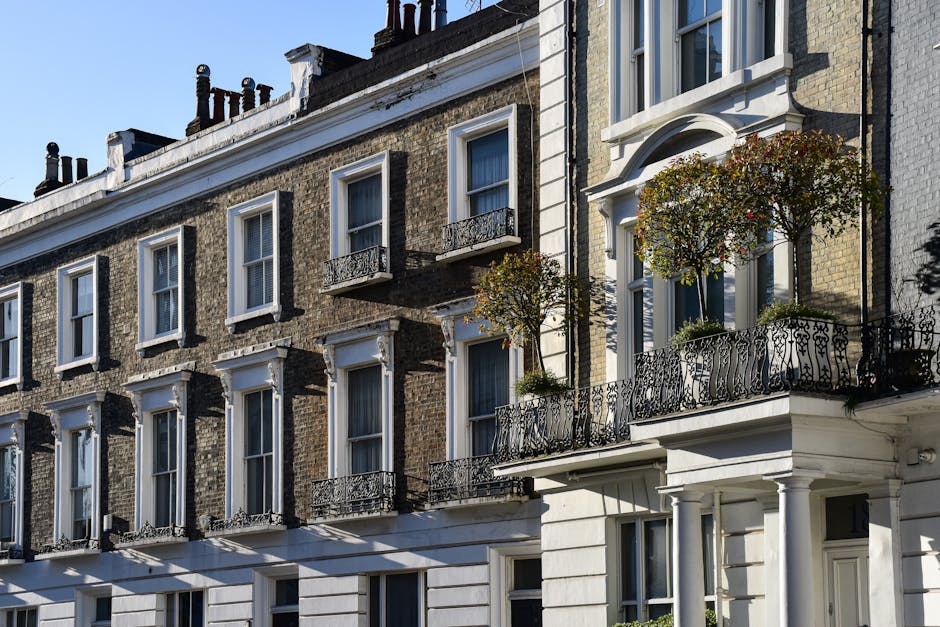
Gardening services for flats on Turnham Green Terrace W4

If you live in a flat on Turnham Green Terrace W4, you already know the small green spaces can make a big difference. A tidy front patch, shared courtyard, balcony planters, or a compact communal garden can change the whole feel of the building. But they can also become a source of drift: dead leaves in the corner, uneven growth after a wet week, hedges edging into walkways, or a lawn that starts to look tired by Friday afternoon. Gardening services for flats on Turnham Green Terrace W4 are about keeping those spaces neat, usable, and genuinely pleasant without creating hassle for residents or the managing agent.
That might mean regular upkeep, a one-off tidy-up, or a more structured plan for shared outside areas. It also means working with the practical realities of flats: access, noise, storage, shared responsibility, and a mix of resident expectations. In other words, it is not just "mow and go". Done properly, it is calm, consistent, and surprisingly good at preventing bigger problems later on.
Below, you will find a clear guide to how these services work, what to expect, what to avoid, and how to choose the right approach for a flat-based property in this part of W4.
Why Gardening services for flats on Turnham Green Terrace W4 Matters
Flats have a different gardening reality from houses. A householder can usually decide when to cut back a hedge or trim a border. In a flat, there may be multiple owners, leaseholders, tenants, and a managing agent all with slightly different ideas about what "well kept" means. That is where regular gardening support becomes less of a luxury and more of a practical necessity.
On a street like Turnham Green Terrace, outside spaces tend to be visible. People notice the first thing they pass on the way in: the entrance bed, the communal pots, the side return, the small rear garden, even the patch of grass near the bins. If those areas look neglected, the whole building can feel a bit unloved. And once a space starts slipping, it tends to slip faster than you expect. A few damp weeks, some leaf fall, and suddenly the job is bigger than it should be. To be fair, that happens everywhere, not just here.
There is also the simple issue of access and comfort. Shared outdoor areas need to be safe and easy to use. Overgrown paths, slippery moss, crowded planters, and low branches can turn a lovely little garden into an obstacle course. Nobody wants that. For residents who enjoy a morning coffee outside, or for families who use a communal garden as an extension of the flat, the condition of that space really matters.
Good maintenance also supports longer-term value. Even a modest courtyard can look far better with consistent edging, pruning, and seasonal planting. A space that is cared for signals that the building is looked after as a whole. And yes, that matters whether you are trying to keep residents happy or simply avoid repeated complaints in the lift. You know the sort.
Expert summary: For flats, the best gardening service is usually the one that keeps things steady, tidy, and predictable. The goal is not dramatic transformation every week; it is reliable upkeep, safe access, and a space residents can actually enjoy.
How Gardening services for flats on Turnham Green Terrace W4 Works
In practical terms, the service usually starts with a site visit or a clear discussion about the space. A good provider will want to understand what type of outdoor area you have, how it is used, how often it needs attention, and who will approve the work. A flat block with a small front bed has very different needs from a communal garden with lawns, shrubs, and paving.
From there, the work is often organised into a maintenance routine. That can include lawn mowing, hedge trimming, weeding, pruning, leaf clearance, planting refreshes, and seasonal tidy-ups. For more cluttered spaces, a one-off garden clearance may be needed first so the maintenance plan has a clean starting point.
In shared buildings, scheduling matters. The team may need access arrangements, notice for residents, and a sensible timing window so nobody is woken by loud equipment at a miserable hour. Most good operations in London are used to this. They understand that in flats, half the job is doing the work and the other half is not causing a fuss.
A lot of the value also comes from consistency. A once-a-month visit can be enough for some spaces, while others need more frequent attention during growing season. For example, a small lawn might need regular lawn mowing and edging, while hedges and shrubs may be better handled with planned hedge trimming at set points through the year.
Some properties also combine maintenance with soft landscaping improvements. That might mean replacing tired bedding plants, improving drainage around a border, or refreshing planters so the space looks intentional rather than improvised. If you want a fuller review of what can be included, it helps to start with the services overview and then narrow things down based on your building's needs.
Key Benefits and Practical Advantages
The obvious benefit is that the garden looks better. That part is easy to see. But the more useful benefits go beyond appearance.
- Less stress for residents and managing agents: A clear schedule means fewer last-minute reminders and fewer "can someone deal with this?" messages.
- Safer shared areas: Regular attention keeps paths, entrances, and planting areas easier to move through.
- Better value from small spaces: Even a narrow courtyard can feel inviting if it is properly maintained.
- Reduced long-term costs: Small jobs done regularly are usually easier than one huge recovery job later.
- Cleaner first impressions: Visitors, buyers, and tenants all notice whether the outside space is cared for.
There is another benefit people sometimes overlook: rhythm. A reliable garden schedule makes the property feel settled. You stop noticing weeds and overgrowth because they do not get the chance to become the headline. It sounds simple, but that calm background effect is a big part of what makes professional maintenance worthwhile.
For flats especially, this rhythm helps with shared decision-making. If the service is structured, there is less room for disagreement about whether the garden "looks fine" or "needs something done". Everyone can see the standard, and everyone can see the result.
Who This Is For and When It Makes Sense
This kind of service is a strong fit for leasehold blocks, converted buildings, mansion-style flats, smaller apartment buildings, and mixed-use properties with shared greenery. It also makes sense for landlords who want the outdoor area kept in good order without being pulled into repeated small jobs.
You may need it if:
- the building has a communal front garden, rear court, or side planting area;
- residents are sharing responsibility and nobody wants the task to become "theirs";
- the space gets messy quickly after rain, wind, or leaf fall;
- the garden needs regular cutting, pruning, or weeding;
- there are safety concerns around paths, steps, or access routes;
- you are preparing a flat block for new tenants or a property inspection;
- you want a better-looking entrance without turning it into a major project.
It also makes sense when the outside area is small but visible. In fact, small spaces can be more demanding than bigger ones because every untidy corner shows. A single planter full of spent bedding can drag down the feel of an entrance more than people expect. Bit unfair, maybe, but true.
If your building has more than just a simple patch of green, you may need broader support such as landscaping or even landscape gardening for longer-term improvements. Those are worth considering when routine maintenance alone is not enough.
Step-by-Step Guidance
If you are arranging gardening services for a flat in this part of W4, the process is much easier when you break it down. Here is a practical way to do it.
- Assess the space properly. Walk the area at a normal pace and note what actually needs attention: lawns, hedges, planters, weeds, leaf build-up, broken pots, poor drainage, or access issues.
- Decide who is responsible. In flats, this matters more than people think. Is it the freeholder, the managing agent, a residents' association, or a single landlord? Sort that early.
- Set the frequency. A bi-weekly visit, monthly visit, or seasonal schedule may be enough depending on growth and use.
- Choose priorities. For example: safety first, then visual tidiness, then longer-term improvements.
- Agree access and timing. Make sure gates, keys, entry points, and resident notice are all sorted.
- Start with a reset if needed. If the garden has been neglected, a one-off clearance can create a workable baseline.
- Review after the first few visits. This is the part people skip. A quick review helps you see whether the schedule is too light, too frequent, or just right.
That last step is worth doing. Gardens change with the seasons, and flat blocks often need a tweak after the first few visits because the reality of the site becomes clearer once the work begins. Not glamorous, but useful.
Expert Tips for Better Results
The best results usually come from practical habits rather than expensive extras. A few small decisions make a big difference.
- Keep borders simple: In flat settings, low-maintenance planting often works better than ambitious beds that need constant attention.
- Use a seasonal plan: Spring and autumn usually need more work than people expect, especially for pruning and leaf clearance.
- Protect access routes: Ask for paths, steps, and entrances to be checked each visit, not just the "pretty" parts.
- Think in zones: Public-facing areas may need more frequent attention than hidden corners.
- Don't overplant small spaces: It is easy to make a compact garden feel crowded. Less can genuinely be more.
- Mix tidy with durable: Plants should look good and survive urban conditions, not just look nice for a fortnight.
If you have paved areas, balcony-style features, or a small deck, it may also be worth looking at decking services where relevant. Hard surfaces and planting need to work together, otherwise the space can feel awkward and chopped up.
And one more thing: do not aim for perfection if the space is shared and heavily used. A flat garden is there to be lived with, not staged like a show home. A neat, practical, well-kept space wins most of the time.
Common Mistakes to Avoid
There are a few mistakes that come up again and again in communal or flat-based gardens. They are easy to make, which is probably why they keep happening.
- Waiting too long between visits: This turns manageable work into heavy work.
- Choosing the wrong schedule for the season: A winter plan and a summer plan are rarely the same.
- Ignoring access problems: If a gardener cannot get in easily, the service will be patchy at best.
- Assuming one-off work will solve ongoing growth: It won't. Nature is annoyingly persistent.
- Overlooking resident expectations: A tidy space can still cause complaints if people were not told what was happening.
- Using a generic approach for every flat block: One site may need regular mowing, another may need pruning, and another may just need a careful hand with weeding and leaf clearance.
Another classic mistake is leaving it until the whole area looks embarrassed. By then, you are not arranging maintenance; you are arranging recovery. There is a difference, and a fairly expensive one.
Tools, Resources and Recommendations
You do not need a warehouse of equipment to maintain a flat garden well, but the right tools matter. Most professional teams will bring the basics for mowing, trimming, pruning, clearing, and green waste handling. For property managers and residents, the more useful "resources" are actually planning tools and good habits.
Useful things to have in place:
- a simple site plan showing entrances, garden zones, and any restricted access areas;
- a note of preferred visit times;
- clear contact details for the decision-maker;
- a list of recurring issues, such as moss, fast-growing hedges, or leaf fall from nearby trees;
- a record of any planting choices that should be preserved rather than cut back.
It also helps to have a sensible overview of ongoing services rather than treating each task in isolation. The garden maintenance page is a useful place to understand routine upkeep, while tree lopping and removal becomes relevant if overhanging branches or poor tree structure are affecting light, safety, or access.
For larger tidy-ups or a garden that has been left too long, garden clearance is often the sensible starting point. Once the space is reset, maintenance becomes far easier to keep on track.
Law, Compliance, Standards and Best Practice
For flat properties, compliance usually comes down to sensible property management, safe working, and clear responsibility rather than dramatic legal drama. Thankfully. The exact duties depend on the property structure, lease arrangements, and who controls the outside space, so it is wise to be cautious rather than assume.
From a best-practice point of view, good garden services should take account of:
- Safe access and working methods: pathways kept clear, tools handled properly, and trip hazards reduced.
- Resident communication: giving reasonable notice where work could affect access, noise, or shared use.
- Insurance and accountability: especially where the service provider is working around communal areas or shared assets.
- Waste handling and recycling: green waste should be managed responsibly, with a clear process for disposal or recycling.
- Respect for communal ownership: one resident's preference should not override the agreed plan for everyone else.
If you are assessing a provider, it is sensible to ask how they approach safety and risk, and whether their process aligns with documented insurance and safety expectations. For companies that publish their working standards, the health and safety policy and recycling and sustainability information can also be helpful indicators of how seriously they take the work.
Payment clarity matters too. For buildings with regular visits, it is smart to understand pricing structure, invoicing timing, and payment security before the first appointment. Small detail, big difference.
Options, Methods and Comparison Table
There is no single right model for every flat on Turnham Green Terrace W4. The best choice depends on the size of the space, how many people use it, and how quickly it grows back after a tidy-up. Here is a simple comparison.
| Approach | Best for | Strengths | Watch-outs |
|---|---|---|---|
| One-off tidy-up | Overgrown or neglected spaces | Fast reset, clear before-and-after improvement | Does not keep the space tidy long-term |
| Scheduled maintenance | Communal gardens and shared entrances | Consistent, predictable, easier to manage | Needs regular review through the seasons |
| Maintenance plus clearance | Spaces that have slipped badly | Restores order, then keeps it that way | Higher initial effort and cost than routine care |
| Maintenance plus landscaping | Areas needing layout or planting improvements | Better long-term usability and appearance | Requires planning and agreement from stakeholders |
If your goal is simply to keep things presentable, scheduled maintenance is usually the most practical answer. If the garden is already in a rough state, begin with clearance. If the space feels awkward or underused, a lighter landscaping review may be worth considering. That is the honest version.
Case Study or Real-World Example
Here is a realistic example based on the sort of flat block situation that comes up often. A small residential building has a front garden visible from the pavement, a narrow side path, and a modest communal rear space. For a while, the owners meant to deal with it themselves. Then life got busy, the hedge started leaning into the path, leaves built up around the drains, and the rear area stopped feeling like a place to sit out at all.
The first step was a one-off clearance visit. Dead material was removed, the hedge was cut back, weeds were dealt with, and the lawn was brought back to a manageable condition. After that, the building moved to a monthly maintenance schedule with extra attention in spring and autumn. Nothing dramatic, just sensible. The front area looked cleaner, the path felt easier to use, and residents stopped treating the garden like a problem nobody wanted to own.
What changed most was not the planting. It was the consistency. Once there was a rhythm, the space stopped swinging between "fine" and "slightly embarrassing". That alone can make a flat building feel more settled and more cared for. Simple, really.
Practical Checklist
Use this checklist before booking or reviewing gardening services for a flat property:
- Confirm who is responsible for arranging and approving the work.
- Decide whether the space needs maintenance, clearance, or both.
- List the key areas: entrance, courtyard, rear garden, borders, hedges, paths, planters.
- Choose how often the garden should be visited.
- Check access, keys, parking, and resident notice requirements.
- Ask how waste will be removed and handled.
- Make sure safety and insurance expectations are clear.
- Set realistic expectations for seasonal growth and weather changes.
- Review the plan after the first few visits.
- Keep one person accountable for communication, because otherwise it gets messy fast.
This checklist keeps the job grounded. It is a lot easier to get a good result when the basic details are nailed down from the start.
Get a free quote today and see how much you can save.
If you are ready to compare options or want to understand more about what the team covers, you can also look at pricing and quotes alongside the full services overview. And if you want to know who is behind the work, the about us page gives useful context.
Conclusion
Gardening services for flats on Turnham Green Terrace W4 are really about making shared outdoor spaces easier to live with. They keep entrances tidy, communal gardens usable, and small areas from becoming ongoing headaches. The best results usually come from steady maintenance, sensible communication, and a realistic plan that matches the building rather than a generic one-size-fits-all approach.
Whether your flat has a tiny courtyard, a shared lawn, or just a few planting areas that need looking after, a well-managed service can make the whole property feel calmer and more cared for. And honestly, that feeling matters more than people sometimes admit.
If you want a service that feels practical, responsive, and grounded in real property needs, the next step is simply to start the conversation. A clear plan today can save a lot of fuss later, and that is never a bad trade.
Frequently Asked Questions
What do gardening services for flats usually include?
They usually cover routine tasks such as lawn mowing, hedge trimming, weeding, pruning, leaf clearance, and general tidy-ups. Some properties also need clearance work or light landscaping, depending on the condition of the space.
How often should a flat garden be maintained?
It depends on the size of the space, how quickly things grow, and how visible the area is. Many flat properties benefit from regular scheduled visits rather than occasional emergency tidy-ups.
Can a gardener work in a small communal courtyard?
Yes. In fact, small courtyards are often where professional maintenance makes the biggest difference. Tight spaces need careful, tidy work and a sensible plan, especially where access is shared.
What if the garden has become overgrown?
Start with a clearance visit. Once the space is reset, maintenance becomes much easier and usually cheaper to keep on track than trying to fight the overgrowth each month.
Do flat gardens need different care from house gardens?
Usually, yes. Flat gardens often involve shared access, resident communication, limited storage, and more visible front-facing areas. The work needs to be more coordinated.
Who should arrange the service in a block of flats?
That depends on the property setup. It may be a landlord, managing agent, freeholder, or residents' association. The important part is making sure one person or group is clearly responsible.
Is landscaping worth it for a flat property?
Sometimes. If the outdoor area is awkward, poorly laid out, or underused, landscaping can improve both appearance and usability. If the space is already functional, routine maintenance may be enough.
What should I ask before booking a gardener?
Ask about the scope of work, frequency, access arrangements, waste removal, insurance, and how they handle safety in shared spaces. Those details matter more than a glossy promise.
How do I keep costs sensible?
Choose the right frequency, keep the planting practical, and fix access issues early. A regular plan is usually cheaper than repeated one-off recoveries after the garden has slipped.
Are green waste and clippings removed as part of the service?
Often yes, but it should be confirmed in advance. For flat properties, waste handling can be an important part of the service because there may be limited on-site storage.
Can residents request specific changes to the garden?
They can, but in shared properties those requests should be agreed properly. One resident's preference should not override the wider needs of the building.
How do I know if a provider is trustworthy?
Look for clear communication, a sensible process, visible information about safety and insurance, and a willingness to explain what they will and will not do. Straight answers are usually a good sign.