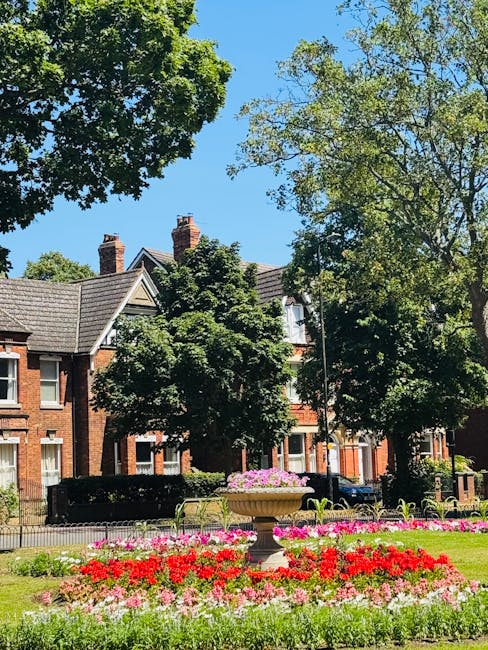
Gardeners serving Turnham Green station streets and Bedford Park: a local guide to reliable, tidy, year-round garden care
If you live near Turnham Green station streets or around Bedford Park, you already know the gardens here need a slightly different touch. The spaces are often compact, visible from the road, and expected to look neat without feeling overworked. That is exactly where Gardeners serving Turnham Green station streets and Bedford Park make a real difference. Whether you need regular upkeep, a one-off reset, or help keeping hedges, lawns, and borders under control, the right local gardener can save time and keep the whole place looking calm, cared for, and lived-in rather than stripped back.
In this guide, we will look at how local garden services work, what to expect, where people usually go wrong, and how to choose the right level of support for your home or small property. You will also find a checklist, a comparison table, and a practical example from a typical local scenario. Let's face it, a good garden near a station can go from polished to scruffy quickly if it is left too long.
Why Gardeners serving Turnham Green station streets and Bedford Park Matters
Turnham Green station streets and Bedford Park have a very particular feel. Front gardens are often visible, side access can be narrow, and even a small amount of overgrowth is noticeable from the pavement. In a place like this, garden care is not just about "mowing the lawn" and walking away. It is about keeping the outside space tidy, balanced, and easy to live with.
There is also a practical side. A cluttered garden can quickly attract damp, pests, broken branches, blocked drainage, or an awkward build-up of waste. If you have ever opened the back door on a wet Monday morning and found the path slick with leaves, you will know what I mean. Small jobs become bigger jobs, and then suddenly the whole space feels like a weekend project you keep postponing.
For local homes, regular care usually has three jobs: preserving appearance, protecting plant health, and reducing future maintenance. Bedford Park gardens often benefit from thoughtful, restrained work rather than heavy-handed cuts. That means respecting structure, light, and privacy while still keeping everything neat. And around station streets, where foot traffic and visibility are higher, presentation matters a lot more than people sometimes admit.
Reliable local gardeners can also help with seasonal changes. Spring growth can be fast. Summer dry spells can stress lawns and borders. Autumn brings leaf fall and a lot of tidy-up work. Winter is quieter, but it is still the right time for planning, pruning where appropriate, and clearing away anything that could become a nuisance later.
Practical summary: local garden care is not only about looking good today. It is about preventing the sort of small, repeated problems that eat time, money, and patience later on.
How Gardeners serving Turnham Green station streets and Bedford Park Works
Most local gardening services start with a simple review of what is actually needed. That sounds obvious, but it is where a lot of value comes from. A good gardener will not jump straight to cutting everything back. They will look at access, layout, plant condition, the size of the lawn, hedge height, waste volume, and whether the job is a one-off visit or a recurring arrangement.
In many homes near Turnham Green, the work falls into a few broad categories. Services overview pages can be useful for understanding the range of support available, but in real life the job is usually more specific. You might need border tidying, hedge shaping, lawn edging, or a careful clearance before a property goes on the market. Sometimes it is a mixed bag. Truth be told, gardens rarely present themselves in neat service-sized boxes.
The process often looks like this:
- Initial assessment: the gardener reviews the site, the work required, and any access considerations.
- Scope of work: you agree what will be done now and what can wait for a later visit.
- Time and materials planning: tools, green waste handling, and crew size are matched to the task.
- Completion and tidy finish: the garden is left clean, safe, and usable.
- Follow-up plan: recurring work may be scheduled for lawns, hedges, or seasonal maintenance.
For broader upkeep, many residents also combine one-off visits with ongoing support through garden maintenance. If the garden has become overgrown, a heavier reset may be needed first, and garden clearance is often the right starting point before anything else can look purposeful again.
Where planting design or layout changes are needed, the work may move beyond maintenance into landscape gardening or broader landscaping. That is the point where the garden is not just being maintained, but actively improved. Different job, different rhythm.
Key Benefits and Practical Advantages
The obvious benefit is a better-looking garden. But the real value goes deeper than that, especially in an area where exterior presentation and usable space matter so much.
- Less stress: a regular schedule prevents the garden from becoming an endless catch-up job.
- Better curb appeal: neat front gardens, tidy edges, and shaped hedges lift the whole property.
- Healthier plants: pruning, feeding, and clearing debris at the right time supports growth.
- Safer access: paths, steps, and side returns stay easier to use when leaves and waste are removed.
- More usable space: even small gardens feel bigger when they are not crowded or messy.
- Better planning: once a garden is under control, seasonal work becomes much easier to manage.
There is also a less obvious benefit: consistency. In gardens around Bedford Park, a repeated approach usually works better than dramatic interventions. A bit of pruning here, a careful mow there, and a steady hand with the edges can make the whole space feel deliberate. Not flashy. Just right.
For households that want a reliable finish after every visit, it can help to combine mowing with hedge and border care. That is where lawn mowing and hedge trimming become part of a simple maintenance rhythm rather than separate panic jobs. Smaller jobs, done often, are usually easier on both the garden and the owner.
Who This Is For and When It Makes Sense
This kind of local gardening support suits a wide mix of people. Some want weekly or fortnightly upkeep. Others only need help when life gets busy or the garden has got away from them. Both are completely normal. No judgement. Gardens have a funny way of slipping down the list when everything else is shouting for attention.
You will probably benefit from a local gardener if you:
- live in a townhouse, flat with shared outside space, or a home with a compact garden;
- want a presentable front garden near a busy street or station route;
- have hedges, shrubs, or climbing plants that need occasional shaping;
- need help after holidays, illness, tenancy changes, or renovation work;
- prefer a tidy, low-effort garden instead of a high-maintenance one;
- have a garden that needs a seasonal reset rather than full redesign.
For landlords and managing agents, regular maintenance can reduce complaints and make properties easier to present. For homeowners, it can simply make the place feel calmer. You open the back door, and the garden does not greet you with a sigh. That matters more than people say out loud.
If you are unsure whether you need maintenance, clearance, or a larger redesign, the easiest clue is this: if the space is basically sound but just needs control, maintenance is enough. If it has become cluttered, overgrown, or full of old debris, clearance comes first. If the layout itself no longer works, you are moving into landscaping territory.
Step-by-Step Guidance
If you are booking gardening help for the first time, a simple structure makes the whole thing less overwhelming. Here is the practical route most people should follow.
- Walk the garden properly. Look at the lawn, borders, hedges, access points, and anything hidden at the back. A quick glance from the kitchen window is rarely enough.
- Separate urgent from non-urgent work. A hanging branch, blocked path, or unmanageable hedge may need priority before smaller cosmetic jobs.
- Decide whether you need maintenance or clearance. Maintenance keeps a healthy garden going. Clearance removes clutter and resets the space.
- Ask what is included. Waste removal, edging, pruning, and tidy-up should be clearly understood before work begins.
- Plan for seasonality. Growth, leaf fall, and dry spells all change what the garden needs.
- Set a realistic rhythm. A fast-growing lawn may need more regular mowing than a shaded, slow-growing one.
- Review the finish. A good result should look neat, but also practical: clean paths, balanced cuts, and no forgotten corners.
If a garden has trees or large woody growth that needs attention, a gardener may point you towards specialist help such as tree lopping and removal. That sort of work needs proper judgement. Cutting too much, or in the wrong season, can cause more trouble than it solves. Better to be careful.
And one small tip that saves hassle: keep a note of what was done last time. Not a formal log, just a few reminders. Which hedge was cut, which border was cleared, where moss keeps coming back. It sounds a bit nerdy, but it helps. A lot.
Expert Tips for Better Results
Local garden work goes smoother when the instruction is clear and the expectations are sensible. That may sound basic, but it is often the difference between "fine" and "really good".
- Be specific about your finish. If you want crisp edges, mention it. If you prefer a softer natural look, say that too.
- Do not overcut hedges in one go. A light, regular trim is usually healthier than a brutal chop.
- Match mowing to conditions. Wet grass is harder to cut cleanly and can look ragged afterwards.
- Keep access routes clear. Side passages and gates should be open before the visit starts. Saves time, saves faff.
- Ask about green waste handling. You want to know whether arisings are removed, reused, or left bagged for you.
- Use the first visit as a reset point. Once the garden is under control, maintain it with a lighter touch.
A smart garden plan for Bedford Park is often about restraint. Too much shaping can flatten the character of mature planting, especially where privacy planting and frontage are part of the feel of the home. A local gardener who understands that can protect the atmosphere of the space while still keeping it orderly.
If sustainability matters to you, ask how waste is managed and whether recyclable green material is separated where possible. Recycling and sustainability is increasingly part of sensible garden management, and it is a good sign when a service thinks about disposal carefully rather than treating everything as rubbish. It is just cleaner, in every sense.
Common Mistakes to Avoid
Most garden problems in this kind of area do not begin as major disasters. They begin as small delays and a few bad assumptions.
- Waiting too long between visits. A garden left for months often needs more work, more time, and a bigger tidy-up bill.
- Confusing trimming with shaping. A hedge can be "cut back" and still look poor if the shape is ignored.
- Ignoring access issues. Narrow paths, bins, locked side gates, and parked cars can create avoidable delays.
- Expecting lawn recovery after one visit. Bare patches, moss, or compaction usually need ongoing care.
- Skimping on the brief. If you do not say what matters, the gardener has to guess. And guessing is a dangerous little game in gardens.
- Overloading one visit. Sometimes the sensible move is to split work into two or three stages.
Another common mistake is assuming that every tidy-looking garden is low maintenance. Not true at all. Many of the neatest gardens near station streets are tidy because someone has invested in regular, modest care. That steady rhythm is what keeps the space from sliding back.
Tools, Resources and Recommendations
You do not need specialist knowledge to manage a garden well, but it helps to understand the main tools and services involved. That makes conversations with a gardener much easier and helps you spot what the garden actually needs.
| Area of care | What it helps with | Typical approach |
|---|---|---|
| Lawn care | Even growth, neat finish, healthier turf | Regular mowing, edging, and occasional improvement work |
| Hedges and shrubs | Shape, privacy, and light control | Light trimming or seasonal reduction depending on species |
| Clearance work | Removing accumulated waste, debris, and overgrowth | One-off tidy-up, then follow-up maintenance |
| Decking and hard landscaping | Usable outdoor areas and structure | Cleaning, repair, renewal, or installation planning |
| Tree care | Safety, canopy balance, and access | Specialist assessment for larger work |
For homeowners thinking about upgrades as well as maintenance, it can be helpful to look at decking services if part of the garden needs a better seating area or a more practical surface. Likewise, if the garden's structure is generally poor, moving from maintenance into landscape gardening or broader landscaping may be the more sensible long-term choice.
It is also worth using the first conversation to ask about quotations, timing, and payment expectations. Clear pricing and a clear scope remove most friction before work begins. A page like pricing and quotes is useful in that sense because it encourages a proper discussion rather than a vague "we'll see on the day" approach.
Law, Compliance, Standards and Best Practice
Garden work in the UK is not usually complicated from a legal point of view, but there are still sensible standards to keep in mind. The most important ones are safety, property care, and responsible waste handling.
For example, if work involves trees, larger branches, or awkward access, proper risk awareness matters. A careful service should think about safe handling, suitable tools, and whether the job is within its capability. Not every cut should be made on the spot, and not every tree issue is a simple pruning job. In practice, caution is a strength, not a weakness.
Good operators also tend to have sensible policies around insurance, site safety, and complaints handling. You may never need them, which is the hope, but it is reassuring when they exist. Pages such as insurance and safety and health and safety policy help signal that a business takes the work seriously rather than treating it as casual yard work.
For customer confidence, a clear business framework matters too. Terms, payment process, and privacy information should be easy to understand. That is why pages like terms and conditions, payment and security, and privacy policy are useful trust markers, even if you only skim them. They show that the service is set up properly.
There is also the question of sustainability. Green waste should be handled responsibly where possible, and a thoughtful service should not just dump everything without considering reuse or recycling. Around London, clients increasingly care about that. Fair enough, really.
Options, Methods and Comparison Table
Not every garden needs the same type of help. Here is a simple comparison to make the decision easier.
| Option | Best for | Pros | Watch-outs |
|---|---|---|---|
| Regular maintenance | Gardens that are already under control | Predictable, tidy, easier to budget for | Can miss deeper issues if used alone |
| One-off tidy-up | Busy households, pre-sale prep, post-holiday catch-up | Fast visual improvement | May need follow-up to stay neat |
| Clearance first | Overgrown or cluttered gardens | Resets the space and removes obstacles | Does not solve layout or design problems |
| Landscape work | Gardens needing a better structure or function | Longer-term improvement, better usability | Usually more involved than maintenance |
In many Bedford Park gardens, the best answer is not one option, but a sequence: clear the space, establish the structure, then maintain it. That sequence is often the difference between short-term tidiness and a garden that actually stays manageable.
If your garden includes a lot of routine grass cutting, it may be practical to keep lawn work separate from larger projects. The same goes for hedges. It sounds simple, because it is. Separate the predictable work from the occasional heavy lifting, and planning becomes much easier.
Case Study or Real-World Example
Picture a typical small rear garden near Turnham Green station. It has a patchy lawn, two medium hedges, a few borders, and a narrow side path that collects leaves. Nothing dramatic. Just the sort of space that quietly gets away from people during a busy few weeks.
The owner notices three things: the lawn has become uneven, the hedge is pushing across the path, and the back corner has gathered broken twigs, dead growth, and a few forgotten pots. Not a disaster, but enough to make the garden feel smaller and messier than it really is.
A sensible approach would usually be:
- clear the debris and restore access;
- trim the hedge back to a clean, balanced line;
- mow and edge the lawn properly;
- tackle the borders so the planting is visible again;
- set a maintenance rhythm so the same problem does not return in six weeks.
That kind of job is satisfying because the change is immediate. The space breathes again. Light reaches the borders. You can walk from the kitchen to the back gate without weaving around clutter. And yes, the garden probably looks bigger by the end, which is always a nice bonus.
If the same garden later needs a better seating area, improved drainage, or a more coherent layout, the next step might be landscape gardening rather than simple upkeep. The point is not to overcomplicate it. It is to match the work to the real state of the garden.
Practical Checklist
Use this checklist before you book or before a gardener visits. It saves time and avoids a lot of awkward "oh, I forgot to mention..." moments.
- Identify the main problem: lawn, hedge, clearance, borders, or a mix.
- Check whether the garden needs maintenance or a full reset.
- Clear access to gates, paths, and working areas.
- Move fragile items, toys, plant pots, and garden furniture if needed.
- Note any hidden hazards such as uneven paving, loose steps, or low branches.
- Decide whether waste should be removed or left bagged.
- Be clear about the finish you want: formal, natural, low-maintenance, or simply tidy.
- Ask about timing for recurring visits if growth is fast.
- Keep a simple record of what was done for next time.
- Review the result while the work is fresh in your mind.
Expert summary: the best results usually come from a clear brief, realistic expectations, and small regular visits rather than rare heroic efforts. A garden near Turnham Green station or Bedford Park rarely needs drama; it needs steady attention and a good eye.
Get a free quote today and see how much you can save.
Conclusion
Gardeners serving Turnham Green station streets and Bedford Park do more than keep things neat. They help protect the feel of a property, make outdoor space easier to use, and prevent small maintenance problems from turning into bigger headaches. For many homes, that is not a luxury. It is simply the practical way to keep pace with the garden's natural rhythm.
If your space is already tidy, regular maintenance can keep it that way with surprisingly little fuss. If it has slipped, a careful clearance followed by a sensible maintenance plan can bring it back under control. Either way, the aim is the same: a garden that feels calm, usable, and looked after.
And when you can step outside, hear the quiet, and actually enjoy the space for a minute, that changes the whole house. Small thing, maybe. But a good one.
Frequently Asked Questions
What do gardeners serving Turnham Green station streets and Bedford Park usually handle?
They commonly handle lawn mowing, hedge trimming, border tidying, seasonal maintenance, garden clearance, and smaller landscaping tasks. The exact mix depends on the property and how much work the garden needs.
Is regular maintenance better than one-off gardening visits?
Regular maintenance is usually better if you want the garden to stay consistently tidy and manageable. One-off visits are useful for resets, catch-up work, or pre-event tidying, but they do not replace ongoing care.
How do I know if my garden needs clearance instead of maintenance?
If the space is overgrown, cluttered, or full of waste and dead material, clearance is usually the better first step. If the garden is broadly in good condition but just needs control, maintenance is enough.
Can a gardener help with both front and back gardens?
Yes, most local gardeners can work on both. Front gardens often need sharper presentation, while back gardens may focus more on usability, privacy, and plant health.
How often should lawns near Bedford Park be cut?
It depends on the season, grass type, shade, and how quickly the lawn grows. In active growth periods, more frequent mowing is usually needed, while slower-growing lawns can often be cut less often.
What should I ask before booking a garden service?
Ask what is included, how waste is handled, whether tools are provided, what level of finish to expect, and whether the work is maintenance, clearance, or a larger project. Clear questions lead to better results.
Do gardeners work around narrow side access and small London gardens?
Yes, many do. Local gardens often have limited access, so planning, tidy working methods, and careful waste movement are part of the job. It is not unusual at all in this part of London.
What if my hedge or tree seems too large for a normal garden visit?
That may need specialist attention. Larger woody work can fall outside standard maintenance, especially if safety or height is involved. In those cases, a gardener may recommend a dedicated tree service.
Should I prepare the garden before the visit?
Yes, if you can. Clearing access, moving fragile items, and identifying problem areas helps the work go faster and makes the outcome more efficient. Even ten minutes of prep can make a real difference.
Are sustainability and waste handling important in garden care?
They are increasingly important. Responsible disposal, reuse of green waste where appropriate, and tidy handling of cuttings all matter. It is a good sign when a service takes that seriously.
Can garden maintenance improve property appearance quickly?
Absolutely. Even a straightforward mow, trim, and tidy-up can make a garden look brighter, larger, and more cared for in a very short time. The change is often more noticeable than people expect.
Where can I learn more about the wider service approach?
A useful starting point is the about us page, which helps explain the approach behind the work, or the services overview for a broader view of what is available.